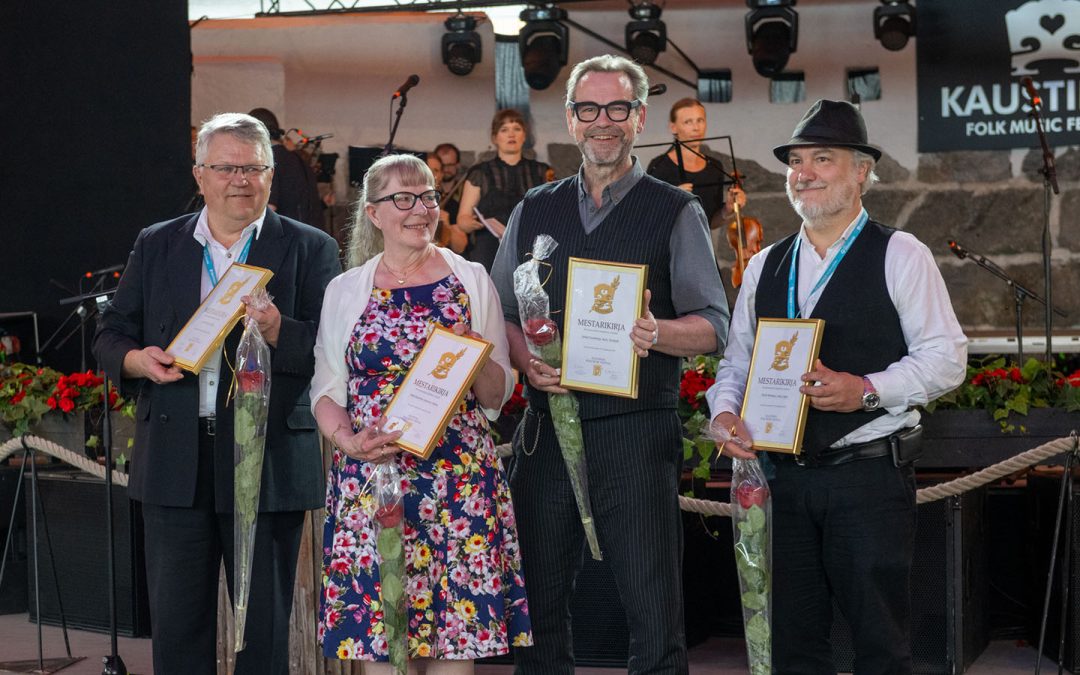
Four new champions have been appointed in Finland today. Anita Kaustinen, harmonium (Halsua), Patrik Weckman, violin (Espoo), Juhani Lautamaja, folk song (Seinäjoki) and Aimo Hentinen, folk dance (Hollola) were awarded the title at the opening ceremony of the Kaustinen Folk Music Festival.
These important representatives of the tradition will be heard and seen during the festival week. The new champion players will be introduced as early as tonight, with a masterclass in the Concert Hall at 20:00.
Since 1970, 161 players have been awarded the title. See all the champion players here.
The opening ceremony also saw the awarding of festival plaques, which this year went to a gambler, an educator and a collector and recorder of folk music. Riitta Reijonen from Muurame and a musician, pedagogue, composer and arranger, producer and archivist Antti Järvelä From Alahärmä.
The free programme at the festival area continues late into the night on Monday with twenty stages. Read more here.
__________________
PHOTO ABOVE The 2023 champions: Aimo Hentinen from Hollola (left), Anita Kaustinen from Halsua, Juhani Lautamaja from Seinäjoki and Patrik Weckman from Espoo. Photographer: Susanna Salokannel
Introducing Kaustinen Folk Music Festival / Champions 2023
Photos of the champion players below Krista Järvelä
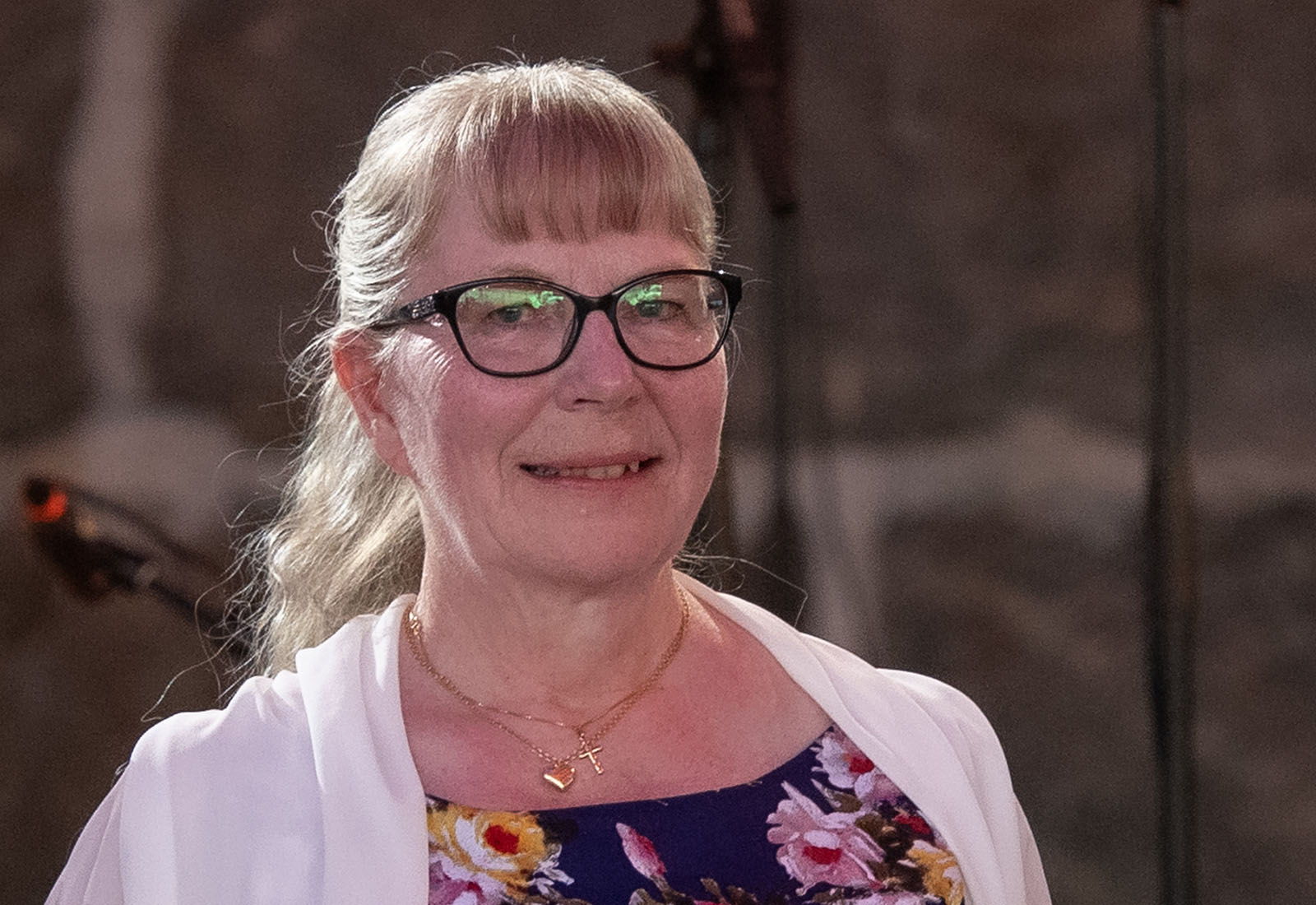
Anita Kaustinen, harmonium, Halsua
Anita Kaustinen née Tuominiemi was born in Halsua in 1955. She has become known to the folk music scene especially through her work as the late great musician and master pianist Otto Hotakaisen and the Tertut band, founded at the Kaustinen Folk Music Festival in 1969.
Anita is a self-taught player, the major and minor keys have been and are still being picked up by ear. During her playing career she has performed actively all over Finland and the Nordic countries, including the Soviet Union.
In addition to Otto Hotakainen, important musical friends for Anita have included. Risto Hotakainen, father Otto Tuominiemi and your deceased spouse Vesa Kaustinen. For several years Anita Kaustinen has also been a member of the Alikylä band. In harmonica playing, she says rhythm plays the most important role: ”you have to go justhin, not almost.”
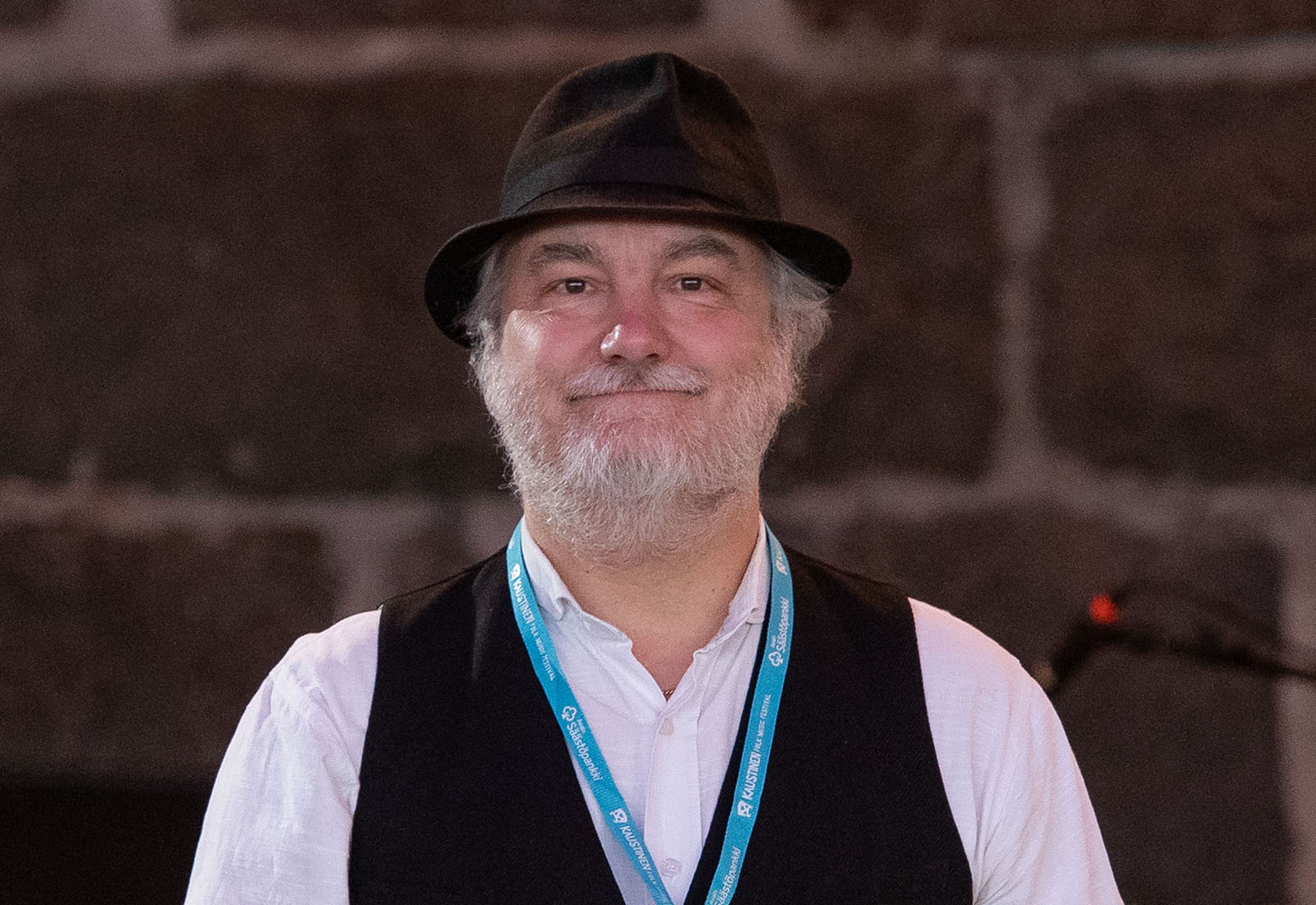
Patrik Weckman, violin, Espoo, Finland
Espoo-based Patrik Weckman started playing music as a teenager, but it wasn't until he became an adult that music became more serious. Patrik has become known to the folk music crowd as a hard-working collaborator, a minstrel and the soul of jam sessions and, of course, as the leader of the renowned Espoo band Spelarit.
In addition to Spelarei, Patrik plays or has played in the band Dromos, Weckman's Mystery Archive and several different duo formations. In the Peliman tradition, he is more interested in the older tradition and the distinctive styles of different regions.
In addition to the violin, Patrik Weckman plays a variety of instruments, most notably the Swedish bagpipe. In folk music, he particularly emphasises its importance and role as a form of social interaction.
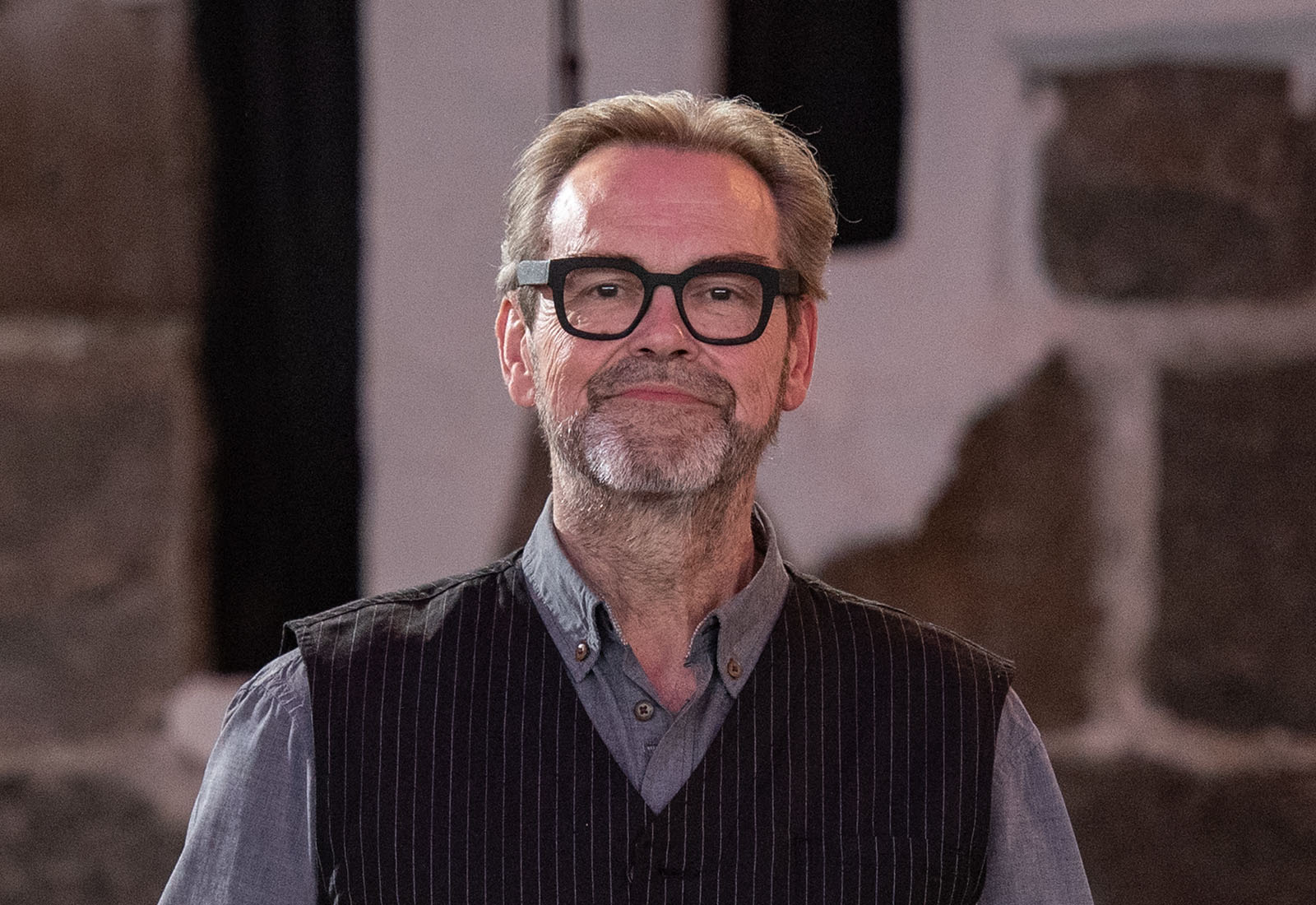
Juhani Lautamaja, folk song, Seinäjoki
Juhani Lautamaja is a pioneer in folk music from Southern Ostrobothnia. His first folk song memories are related to his grandfather, but the stylistic features of folk song have actually entered his life through other musical styles, especially when the use of the widespread South Ostrobothnian dialect in various ensembles and contexts became a trademark.
Juhani has, among other things, led the Bill Hota band for 30 years, which has persistently and ambitiously presented new sung music, based on the folk song tradition of South Ostrobothnia.
Juhani has been working in folk music, choir music and rock music for five decades and has been a double bass player in the Alavudu two-string ensemble since 1993 and in the Kiharakolmio folk music ensemble since 1996. He has also sung as a tenor in the Mieskuoro Jusse since 1995.
Juhani Lautamaja was awarded the Gold Medal of the Finnish Folk Music Association in 2011.
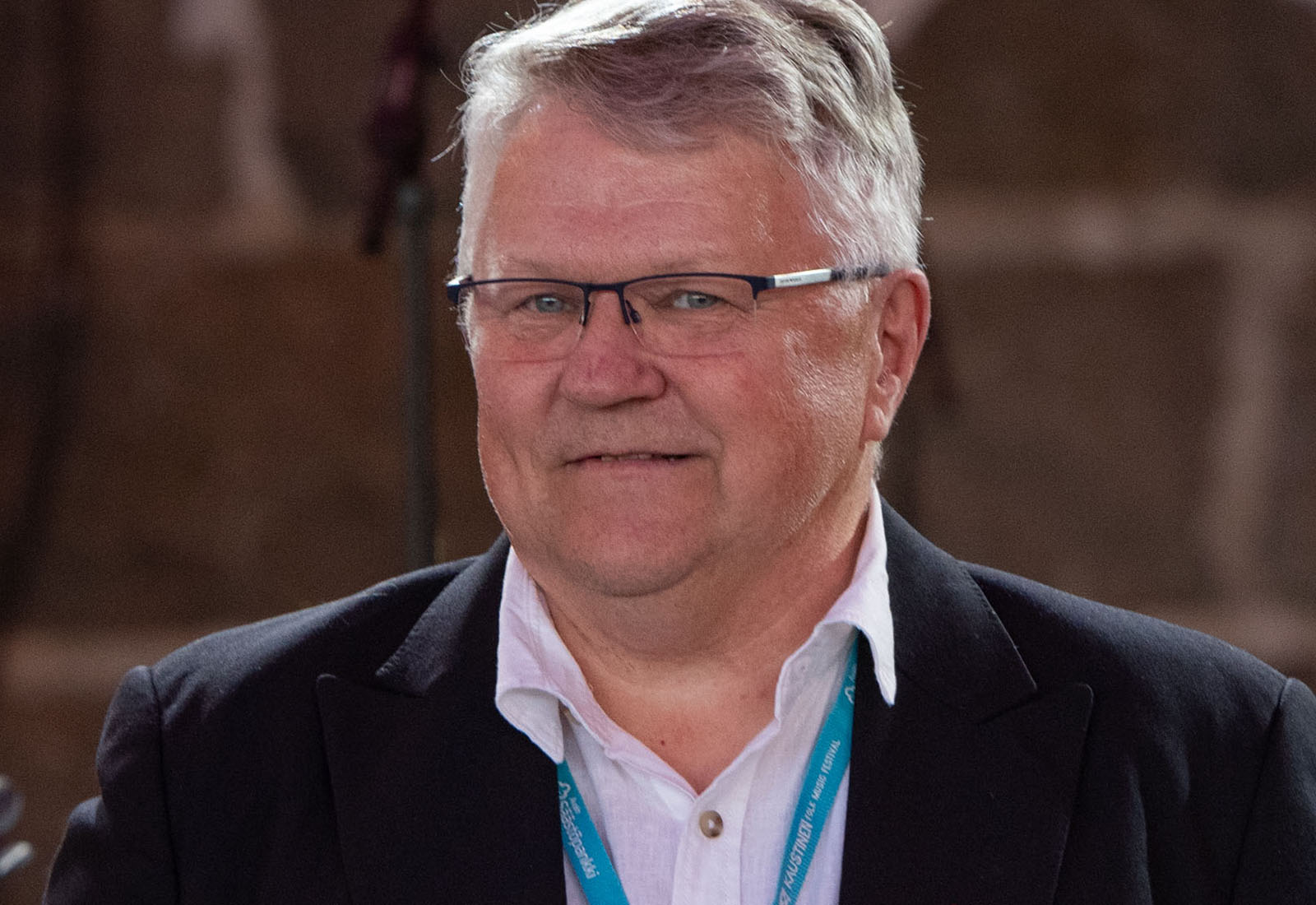
Aimo Hentinen, folk dance, Hollola, Finland
Born in Hartola, the Dutchman Aimo Hentinen was introduced to folk dance at a young age through the activities of the Leppäkoski youth club. He was fascinated by social interaction and expression through his own body.
Aimo was introduced to the role of director at the age of 14. His career took off when he moved to Lahti and Hollola after the army. During his long career, Aimo has excelled especially in building international cooperation: he has taken Finnish folk dance to the world, but also brought numerous groups from abroad to Finland.
Aimo is also credited with founding the Hollo ja Martta folk dance festival, active involvement in Cioff and extensive experience in public education.